Posts mit dem Label Japan werden angezeigt. Alle Posts anzeigen

Dienstag, 15. November 2011

Hanako ...or The Essence of Life

Hanako, the scarlet koi
錦鯉
ca. 1751 – July 7, 1977


Eines Tages wollte ich es wissen, ich schaute nach dem ältesten Fisch der Welt...
Ihn fand ich zuerst...

One day I just wanted it t know, I looked for the oldest fish of the world...
This one I found first...

Fish in the Faroe Islands:
Orange roughy, Hoplostethus atlanticus


Der älteste Fisch – der „ Methusalem der Meere“
Der Granatbarsch lebt in tiefem, kaltem Wasser und hat aufgrund dieser extremen Lebensbedingungen einen sehr langsamen Stoffwechsel. Der älteste Granatbarsch, der jemals gefangen wurde, war 149 Jahre alt. Da diese Tiere erst mit etwa 30 Jahren und mehr geschlechtsreif werden, dauert es sehr lange, bis sich die Population nach übermäßiger Befischung wieder erholen kann, wodurch der weltweite Bestand schon stark dezimiert wurde. (source)

When I looked for the oldest fish I found first an article stating that the oldest ever caught was an Orange Roughy, a perch species, of 149 years. This species, living in deep cold waters responsible for a very slowly metabolism, is said to become only sexually mature at 30 years which makes it difficult for the species to recover from overexploitation, the world population has been decreased dramatically.

149 Jahre hört sich gigantisch an, doch dann fand ich Hanako... -
149 years seems to be enormous...until I found Hanako...

"Die Legende besagt, dass ein Fisch namens Hanako, der älteste war, der auf der Welt lebte. Nachdem er 226 Jahre in Japan herumschwamm, starb der scharlachrote koi, was soviel wie ein Zuchtkarpfen ist, angeblich im Jahr 1977. Es heißt, dass über ihre Schuppen ihr Alter bestimmt werden konnte, eine Aussage, die heutzutage wissenschaftliche Gültigkeit besitzt. So wie ein Baum Lebensringe hat, haben Fischschuppen mikroskopische Bereiche, die saisonale Wachstumsmuster widerspiegeln-Fische fressen und wachsen mehr im Sommer; die Schuppenzonen, die den Winter spiegeln, sind schmaler ". -

"Legend has it that a fish named Hanako was the world’s longest lived. After swimming for 226 years in Japan, the scarlet koi supposedly died in 1977. It’s said that her scales determine her age, a statement that is scientifically valid today. Like tree rings, fish scales have microscopic zones that reflect seasonal growth patterns–fish eat more and grow more in summer; winter scale zones are narrower."
(source)

Hanako gehärte mehreren Personen, der letzte war Dr. Komei Koshihara. Es gibt ein Zitat eines Wissenschaftlers, Herr Masayuki Amano, besagend:

"Diese 'Hanako" ist in noch einwandfreiem Zustand und schwimmt majestätisch in einer ruhigen Schlucht, die unweit vom Mt. Ontake (nahe Nagoya) hinabgeht. Sie wiegt 7,5 Kilogramm und ist 70 Zentimeter (ca. 30 cm) lang. Sie und ich sind die liebsten Freunde. Wenn ich sie rufe: "Hanako! Hanako! " kommt sie ohne zu Zögern vom Rand des Teiches zu meinen Füßen geschwommen. Wenn ich ihr leicht über den Kopf streichel, sieht sie ganz vergnügt aus. Manchmal gehe ich so weit, sie aus dem Wasser zu nehmen und sie zu umarmen. "
-
Hanako was owned by several individuals, the last of whom was Dr. Komei Koshihara.

Once a scientist was quoted, Mr. Masayuki Amano, who said, “This ‘Hanako’ is still in perfect condition and swimming about majestically in a quiet ravine descending Mt. Ontake (near Nagoya) in a short distance. She weighs 7.5 kilograms and is 70 centimeters (roughly 30 in.) in length. She and I are dearest friends. When I call her saying “Hanako! Hanako!” from the brink of the pond, she unhesitatingly comes swimming to my feet. If I lightly pat her on the head, she looks quite delighted. Sometimes I go so far as to take her out of the water and embrace her.”

Und auf wikipedia (dt.)...
Koi können sehr alt werden. Wenn die Wasserparameter und Teichhygiene stimmen, werden sie bei guter Haltung durchschnittlich 50 bis 70 Jahre alt. Oftmals erreichen Koi jedoch wegen schlechter Teichbedingungen keine 10 Jahre. Vereinzelte Exemplare können ein noch weitaus höheres Alter erreichen. Die maximale Lebenserwartung liegt bei über 200 Jahren.

Eine Hauptrolle spielt der Koi in Doris Dörries Spielfilm Der Fischer und seine Frau (2004).

In "Columbo Likes the Nightlife" (deutscher Titel "Die letzte Party") (2003) liefern Koi den wesentlichen Hinweis auf den Verbleib der Leiche.

And on wikipedia (engl.)...
"Koi average "maximum longevity" is listed as 47 years old."

"Koi are an omnivorous fish, and will eat a wide variety of foods, including peas, lettuce, and watermelon. Koi food is designed not only to be nutritionally balanced, but also to float so as to encourage them to come to the surface. When they are eating, it is possible to check koi for parasites and ulcers. Koi will recognize the persons feeding them and gather around them at feeding times. They can be trained to take food from one's hand."

And here an extract from an interesting radio broadcast speech in Japan with Dr. Komei Koshihara on 25.05. 1966

"There did not exist in this world any such country as the United States of America yet at the time when this carp was born. It was 25 years later that America made public the Declaration of Independence in 1776. It is very interesting to think that during the long years that this carp has continued to live, a country by the name of the United States of America came into existence and has built up her present culture of high standard."

"The life length of all living things has been allotted by God, and humanity cannot do anything about it. Such large animals as cows and horses can live 30 to 40 years at the most, while so small an animal as a carp has a life span say 60 years, and very rarely he can live till he is one hundred years old.

It is said that the life of all living things is sustained by lipoid, nucleic acid and protein that are contained in each of their cells. These are called under the generic name "essence of life." If so, I should think we should analyze the cells of a carp that can live so long, to know how much lipoid, nucleic acid and protein, the essential components of the body, are contained in them and what property these essences have. Then we may probably be able to recompose the cells of the human body in the fashion of a carp's cells. When the research is completed, it will become possible for human beings to live as long as 200 years. This is the age in which man is not only trying to bring about a nuclear revolution by the development of atomic energy but aspining to travel through the vast space by means of rockets.

I should heartily desire that man should put an end to his crazy attempt to destroy humanity by atomic explosion and should devote himself to the revolutionary feat of extending human life, after the example of the First Emperor of the ancient Shin Dynasty, instead of being absorbed in the vain attempt to reach the moon."

And here a list of old koi's mentioned in the same 1966 speech, mentioning beside Hanako 5 other koi's at old age...
  1. Hanako (scarlet) - 217 years old; born in 1st year of Horeki (A.D. 1751); in the preceding year there arose an internal feud in the Kaga Clan; and the birth was 25 years before the Declaration of Independence of America.
  2. Aoi (white with red spots on belly) - 170 years old; born in 10th year of Kansei (A.D. 1798); in the same year Norinaga Motoori published "Kojiki-dan",Juzo Kondo discovered Island of Etoroff, and Napoleon went on his Egyptian campaign.
  3. Chikara (bluish black) - 155 years old; born in 10th year of Bunka (A.D. 1813); in the same year Kumpei Gamo died, Stevenson invented the steam engine, and in the following year Bakin takizawa published "Nanso Satomi Hakken-den".
  4. Satoru (white with black spots on back) - 151 years old; born in 14th year of Bunka (A.D. 1917); in the same year an English ship visited the port of Uraga. Death of Gempaku Sugita.
  5. Santa (black with an indented scar on the face) - 141 years old; born in the 10th year of Bunsei (A.D. 1827); in the same year Sanyo Rai published "Nihon Gaishi". Great Fire of Yedo in the following year.
  6. Yuki (white) - 141 years old; born in the same year as "Santa".
Sources:
-
Hanako the oldest koi/KCP International 26.10.2011
- The Story of Hanako/Transcript of radio broadcasted speech of Dr.
Komei Koshihara on 25.05. 1966
- Koi on wikipedia, dt. hier
- Hoplosthetus atlanticus - OrangeRoughy- on wikipedia, dt. hier

Donnerstag, 14. Juli 2011

Japans Tiere nach dem 11. März - Japan's animals after 11 March

Das Erdbeben und der Tsunami in Japan am 11.03. haben viele Schäden und Leid verursacht, die auch Tiere betreffen, sowie die Menschen, die Tiere in ihrer Obhut haben, ob privat als Haustier, als Vieh in landwirtschaftlichen Betrieben oder in Einrichtungen wie Zoos und Aquarien. -

The unprecedented earthquake and tsunami in Japan has caused a lot of damage and sorrow, affecting also animals and people who are in charge of animals, either as owners of pets, in agricultural facilities or in zoos and aquariums.

Ulli J hat auf ihrer Eisbärenseite die Eisbären des Yagiyama Zoos in Sendai vorgestellt, der Zoo, der weitestgehend unbeschadet geblieben ist durch seine Hügellage, konnte Dank der Hilfe von Spenden bereits am 23. April wieder Besucher empfangen. Den Bären und anderen Zoobewohnern geht es gut, Engpässe v.a. in der Nahrungsmittelversorgung konnten aufgefangen werden, aber es wird noch lange brauchen bis die Energie- und Wasserversorgung sich normalisiert hat. Insgesamt waren 14 Zoos und Aquarien in der Tohoku und Kanto Region betroffen, im Aquarium von Fukushima starben 200 000 Fische (mehr hier)-

On her blog Ulli J. has featured the polar bears from Yagiyama Zoo in Sendai, the zoo was thanks to its location on higher grounds left more or less undamaged, and could reopen on 23 March thanks to donations which helped to provide the animals with necessary food. Energy and water supply is still a mayor concern for zoos and aquariums. In total 14 zoos and aquariums needed immediate help in the Tohoku and Kanto region ( more here).

Mittlerweile sind die auch die meisten anderen der betroffenen Einrichtungen repariert und wieder dabei zu arbeiten. Dennoch gibt es immer noch einiges wieder aufzubauen bis alles seinen ganz normalen Gang nehmen kann. JAZA, die Japanische Assoziation der Zoos und Aquarien, hat ihren Spendenaufruf am 8. Juli noch einmal verlängert und bittet um weitere Unterstützung.
Es gibt zwei Berichte als pdf, die man abrufen kann über die bisherige Arbeit und die bislang eingegangenen Spenden. -

Most of the affected institutions are repaired and open again for business, howeverm there are facilities still under reconstruction which need your support. JAZA has therefore expanded the due date for donations and asks for continued support for their relief efforts. Two reports about the work done so far and donations given can be accessed as pdf files here:

- JAZA official report as of July 8
- ZooPrintMagazine June 2011

Donations for Japan's zoos and aquariums can be done here: WAZA Donation Site for Japan

01.04.2011 Ban, the tsunami dog
Photo: AP

Neben den Zoos und Aquarien standen zu Beginn der Katastrophe vor allen Dingen Einzelschicksale sowie dramatische Rettungsaktionen im Vordergrund wie z.B. die von Hund Ban, der 3 Wochen nach der Katastrophe von der Coast Guard in Sicherheit gebracht werden konnte, nachdem er treibend auf einem Dach eines Hauses gesichtet worden war. Letztlich konnte er sogar wieder mit seiner Besitzerin vereint werden. (mehr) -

Beside the zoos and aquariums, people with pets have been affected in particular. There have also been reports of dramatic rescue operations as of the now famous dog Ban who was brought to safety by Jaan National Coast Guard after she was found drifting on the roof of a house floating off northeastern Japan. Ban could even be reunited with her owner. (more)

Rettung eines Delfin-Jungtiers-Rescue of a baby dolphin
Oder die (versuchte) Rettung eines Delfin-Jungtiers, das durch den Tsunami 2 km von der Küste auf einem Reisfeld gelandet war. Ryo Taira, ein Ladenbesitzer für Haustiere, der dabei war, zurückgelassenen Haustieren zu helfen, hörte von dem Delfin und setzte es mit der Hilfe von Freunden zurück in den Pazifik zurück. Ob es wirklich Überlebenschancen hatte, mag bezweifelt werden, aber allemal besser, als in einem Reisfeld zu sterben. -

There is also the rescue story of a baby dolphin after being dumped in a rice field 2 km (1 mile) flooded by the giant tsunami. Ryo Taira, a pet-shop owner who has been rescuing animals abandoned heard of the dolphin, went there and found the dolphin struggling in the shallow seawater. After failing to net it, waded in to the field, to cradle the 1.2-meter (four foot) animal in his arms. Taira and some friends wrapped the dolphin in wet towels and drove it back to the sea, where they set it free. The dolphin appeared to perk up when it was back in the Pacific, he said."I don't know if it will live, but it's certainly a lot better than dying in a rice paddy."

17.03.2011
Photo: Kim Kyung-Hoon/Reuters


Ende März lebten 173 206 Menschen in insgesamt 2035 Evakuierungszentren. Glücklicherweise gibt es ein paar wenige Unterkünfte, in denen es erlaubt ist, seine Haustiere mitzubringen. Hier teilt eine Frau ihr Essen mit ihrem Hund in einem Evakuierungscenter in Kesennuma.-

By end of March, 173, 206 persons lived in 2035 evacuation centers. Fortunately there are a few shelters which accommodate also people with their pets. Here a woman sharing her food with her dog at an evacuation center near a devastated area in Kesennuma.
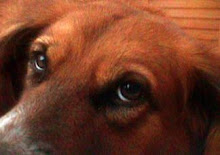

23.03.2011 Shoko Igarashi with her dog
Photo:
Go Takayman / AFP/Getty Images

Nicht alle Übergangsunterkünfte erlauben Haustiere, auf diesem Bild musste sich die 17jährige Shoko Igarashi von ihrem Hund trennen. Freunde werden sich um den Hund kümmern, während sie in einem Heim in Koriyama unterkommt.

Not all shelters allow pets. On this pic seventeen-year-old Shoko Igarashi hugs her dog good-bye. The pet will have to be looked after by friends while she goes into a shelter in Koriyama.

Photo: Tetsuya Kikumasa/AP

Hier Tami Akanuma, 83, zusammen mit ihrem Hund Babu. Als die Tsunami-Warnung ausgegeben wurde, rannte Babu aus der Tür in Richtung eines Bergs. Tami Akanuma folgte ihrem Hund und war daduch in Sicherheit.-

Tami Akanuma , 83, together with her dog Babu. When the tsunami alert was issued, Babu dashed out the door towards a hill. Tami Akanuma followed the dog to safety.

12.04.2011 Loose livestock roam evacuation zone in Namie
Zum Artikel link(dt) & Video
Photo:wikipedia

Mit dem Verstreichen von Zeit, verschlechterte sich die Lage für alle Tiere in Japans Katastrophengebiet. Hunde und Katzen, die bereits mit ihren Besitzern in Evakuierungszentren waren, mussten nach einer Weile oft woanders untergebracht werden, das Leiden anderer Tiere, vor allem das von Pferden und Nutzvieh und zurückgelassenen Haustieren rückte Mitte April ins Blickfeld des Katastrophen-Szenarios.

"Insgesamt wurden ca. 80.000 Menschen um Fukushima herum evakuiert. Einige blieben jedoch, etwa 40 Leute, viele von ihnen Milchviehhalter, die sich weigerten, ihr Vieh zu verlassen ... Nach Angaben der Regierung wurden rund 3400 Kühe, 31000 Schweine und 630000 Hühner in der Zone gelassen, man muss davon ausgehen, dass die meisten inzwischen gestorben sind. Diese Zahl ist wahrscheinlich eine Schätzung der kommerziellen Farmen und beinhaltet keine Pferde oder Haustiere. Die Behörden wollen nun einer Person pro Haushalt Zugang zu ermöglichen für maiximal zwei Stunden um persönliche Gegenstände zu holen, aber da sie dorthin mir einem Mini-Bus gefahren werden, ist es unwahrscheinlich, dass sie ihre Haustiere mitnehmen können. Innerhalb des 3 km Radius sind Besuche nicht erlaubt. "


Ohne Nahrung und mit Wunden durch den Überlebenskampf mit dem Tsunami
Starving and badly injured horse inside radiation zone

(source & more infos here)


As the days passed, the situation for all animals in Japan’s disaster area deteriorated. Dogs and cats already with their owners at evacuation centers under threat of being removed, other animals got into the center of the disaster scenario as suffering horses & cattle (mid April).
"80,000 people in all were evacuated. Some stayed however, about 40 people, many of them dairy farmers who refuse to leave their cattle. The officials are trying to force them to leave. According to government figures about 3,400 cows, 31,000 pigs and 630,000 chickens were left in the zone, assumed to have died by now. This figure is probably an estimate of commercial farms and does not include horses, or pets. The authorities will allow one person per household into the area for a maximum of two hours to collect personal belongings but since they are being taken there by mini bus , it is unlikely they can carry out their pets with them. No visits whatever are allowed within 3 km of the plant. "

Last Chance for Animals - Japan Rescue Video


Ich habe, soweit es mir möglich war, alle gefundenen Fotos über Rettungsaktionen und Tiere in der Evakuierungsszone nach dem 11.März zusammengestellt in einem Album, Japan 2011 - Animal Rescue Efforts, wo man zu Beginn auch die entsprechenden Informationen und Links zu Webseiten der Hilfsorganisationen vor Ort sowie Videos findet. Ich werde versuchen, das Album von Zeit zu Zeit upzudaten.-

Please see Picasa album Japan 2011 - Animal Rescue Efforts. Beside the photos which I have found so far connected to the topic, you will also find some information about the different organisations and their websites. I have tried to keep the first photos for this kind of information. You will also find links to articles, stories and videos. I will continue to update the album from time to time.

Notable photos & information in this album are from Pets Houston, All Voices, Washington Post,
Democratic Underground, JAZA & facebook, Japan Earthquake Animal Rescue & Kinship Circle, Animal Advocates, Animal Refuge Kansai & Hisaiba, PetCaptain Cat Blog, tagesschau, wikipedia etc....
And another wonderful blog:
Earthquake Pets, where I have found a video made by Kinship Circle which puts everything well together...


Es gibt noch ein anderes Album, das mir sehr am Herzen liegt, das irgendwie nie fertig zu werden scheint. In ihm geht es nicht nur um Japan, aber es zeigt, wie sehr wir eigentlich alle in Zeiten von Katastrophen, Hilfe von Tieren erfahren, allen voran Hunde...-

And there is another album which I would like you to see, actually it never seems to get finalised, there are still photos & captions to add...It is not only about Japan, but it shows how much we depend in times of disaster on animals, in particular of dogs...We owe them!

Thank you to everyone involved in rescue efforts...to humans & animals!