Dienstag, 15. November 2011

Alt werden in Zeitlupe...Getting old in slow motion...

Ich weiß nicht , ob Leena P und Ulli J Hibiskus auch gerne haben,
zumindest bei Harriet bin ich mir da sicher: Sie liebte Hibiskus....
-

I don't know if LeenaP and Ulli J both love Hibiscus,
as to Harriet I am positive: Hibiscus was her favourite treat...

Harriet in 2002
Source

15.11.2005

"Harriet hat viel erlebt: Sie ist zweimal ausgewandert, immer wieder umgezogen und fuhr mit dem Begründer der Evolutionstheorie über den Ozean. Mehr als 130 Jahre wurde sie für einen Mann gehalten -
Szenen aus dem Leben einer uralten Riesenschildkröte.


Der Hals ist runzlig, die Bewegungen sind langsam, in den Mundwinkeln kleben Essensreste - Harriet ist nicht mehr die Jüngste. Im Gegenteil: Sie wird heute 175 Jahre alt. Harriet ist eine Galapagos-Riesenschildkröte, und auch wenn ihre Art bekannt dafür ist, ein hohes Alter zu erreichen, hält Harriet zurzeit den Rekord. Sie gilt als das älteste lebende Tier der Welt. Älter wurde den Aufzeichnungen zufolge nur ein Artgenosse, der dem König von Tonga gehört haben soll und 188 Jahre alt wurde.

Die Schildkröte schlüpfte 1830 auf einer der Galapagos-Inseln vor der Küste Ecuadors. Fünf Jahre später - Harriet war gerade so groß wie ein Teller - entdeckte der englische Forscher Charles Darwin das Tier.

Die Riesenschildkröten faszinierten ihn, und er nahm drei Exemplare mit auf sein Schiff "Beagle". Die drei Schildkröten wurden Dick, Tom und Harry getauft - erst sehr viel später stellte sich heraus, dass es sich bei "Harry" um eine Dame handelte. Darwin, der Begründer der Evolutionstheorie, brachte die Tiere zu Forschungszwecken nach England. Weil sich die Schildkröten in der ungewohnt kalten und dunklen Umgebung nicht wohlfühlten, ließ Darwin sie 1837 nach Australien verschiffen. Fünf Jahre später, im zarten Alter von zwölf Jahren, fand Harriet im Botanischen Garten in Brisbane ein neues Zuhause. Dick starb bereits in den achtziger Jahren des 19. Jahrhunderts, Tom verschied 1949.

Die folgenden hundert Jahre verbrachte Harriet, noch immer für ein Männchen gehalten, unter dem Namen "Harry" in Australien. Mehrere Jahrzehnte steckten Tierpfleger weibliche Artgenossen in Harriets Gehege, in der Hoffnung auf Nachwuchs - vergebens. Als der Tierpark des Botanischen Gartens 1952 seine Pforten schloss, musste Harriet in ein Naturschutzgebiet an Australiens Goldküste umziehen. Dort fand 1960 ein Zoodirektor aus Hawaii endlich die Wahrheit heraus: "Harry" ist ein Mädchen. Das Tier wurde flugs auf den Namen Harriet umgetauft - im Alter von 130 Jahren.

Seit 1988 nun wohnt die alte Dame in einem Zoo in Brisbane. Zum Geburtstag gab es für Harriet einen Kuchen und ihr Lieblingsfrühstück: rosa Hibiskusblüten. Ansonsten ernährt sich die Greisin, die inzwischen die Größe eines Esstisches erreicht hat, von Auberginen, Zucchini, Möhren, Tomaten und anderem Grünzeug.

Harriets Pfleger Richard Jackson bemüht sich, seinem Schützling eine altersgerechte Umgebung zu bieten. Sollte die Schildkröte frieren, kann sie sich in eine eigens für sie angefertigte Höhle zurückziehen - mit eingebautem Heizkissen. Bislang allerdings weigert sich Harriet, derartige Seniorenhätscheleien anzunehmen: Sie schläft draußen, und das seit 175 Jahren."

Quelle

Harriet starb am 23. Juni 2006 an Herzversagen.


The headline of The Courier-Mail on Tuesday 15 November 2005
Source


Okay, die Sache mit Herrn Darwin soll sich anders zugetragen haben.

"Die Aufsammlung dieser Schildkröte durch Charles Darwin erscheint jedoch äußerst unwahrscheinlich, da Harriet anhand der mitochondrialen DNA eindeutig als Geochelone nigra porteri identifiziert werden konnte. Diese Unterart ist ausschließlich auf Santa Cruz zu finden – einer Insel des Galápagos-Archipels, die Darwin nie betreten hat.
Bestätigt werden konnte aber das hohe Alter der Schildkröte, die laut der wissenschaftlichen Untersuchung vor 1850 geschlüpft sein muss.
(
Quelle)
(mehr Details)


Harriet, die hier am 15. November 1996 ihren 166. Geburtstag feierte...-
Harriet who celebrated here her 166th birthday on 15 November 1996
Source

Harriet was a Galápagos tortoise (Geochelone nigra porteri) who had an estimated age of 175 years at the time of her death in Australia. Harriet was the third oldest tortoise ever authenticated, behind Tu'i Malila, who died in 1965 at the age of 188, and Adwaita, who died in 2006 at the estimated age of 255.

She was reportedly collected by Charles Darwin during his 1835 visit to the Galápagos Islands as part of his round-the-world survey expedition, transported to England, and then brought to her final home, Australia, by a retiring captain of the Beagle. However, some doubt was cast on this story by the fact that Darwin had never visited the island that Harriet originally came from.

That the subspecies Harriet represents was not from one of the islands visited by Darwin is not actually problematic. Darwin definitely collected tortoises on San Cristobal, San Salvadore, and Santa Maria; however, the subspecies on Santa Maria (G. n. nigra) was, in fact, already nearing extinction when Darwin visited the islands, having been killed and eaten by prisoners on the prison colony there. Yet Darwin still collected tortoises on Santa Maria: the tortoises he found had been retrieved by the prisoners from other islands for food and Darwin collected some of these before they reached the stewpot. Hence they were a mixture of subspecies from a number of islands. Harriet, as a G. n. porteri, is from Santa Cruz. One of the other tortoises (Tom) is still in the Queensland Museum and has been identified as a G. n. chathamensis (from San Cristobal).
It is thought that as many as 40 tortoises were stowed aboard the Beagle.

In 1842, Harriet was brought by Captain Wickham to Australia.While some documents of her long history have been lost in fires, Harriet lived in the Brisbane Botanical Gardens and Fleay's Animal Park before making the Queensland Reptile Park home in 1988.

Harriet was thought to be male for many years and was actually named Harry after Harry Oakman, the creator of the zoo at the Brisbane Botanic Gardens, but this was corrected in the 1960s by a visiting director of Hawaii's Honolulu Zoo. (As it happens, Tom, the specimen in the Queensland Museum, was also a female.)


Although the Australia Zoo was not sure of the exact day of Harriet's birth...:), they always celebrated it around November 15, because that's when she arrived at the zoo in 1988.

Hier mit einem Spezialtörtchen zum 167.Geburtstag...-
Here with a special tortoise birthday cake at her 167th birthday...
Source


Harriet
galt als ausgesprochen gutmütige Vertreterin ihrer Art. Sie liebte die Aufmerksamkeit der Menschen und genoss es, gestreichelt zu werden. Harriet verbrachte einen Großteil ihrer Zeit damit an ihrem Teich zu ruhen. Ihr Lieblingsessen waren Rosenblätter und Hibiskusblüten, die sie gerne auch aus dem Mund ihrer Tierpflegerin entgegennahm.-

Harriet was said to be very good-natured. She loved the attention of humans and enjoyed it when people patted her on the scute. Harriet spent a majority of her day napping at her home pond. Her favourite food were rose petals and hibiscus flowers, sometimes directly from the mouth of her keeper.


Ihren 172. Geburtstag feierte sie mit einem kleinen Besucher auf dem Rücken...-
Here at 172 - a little birthday guest already on her back...
Source

Eidechsen und Vögel liebten es auf Harriets Panzer Sonnenbäder einzunehmen. Wer glaubt, dass Schildkröten das nicht mitkriegen, irrt. Harriet wusste immer, wenn sie Besuch hatte. Schildkröten haben eine Hautschicht mit Nervenenden am Panzer. -

She was a highly desirable sunning rock for lizards and birds. She knew they were there because a tortoise has a layer of skin with nerve endings on its shell, but doesn’t mind at all.


15.11.2005
At 175 she weighed 180 kg

Source


Und dies war Harriets letzte Geburtstagsparty, sie wurde 175 und galt damit lange als ältestes lebendes Landlebewesen überhaupt. Kurz nach Harriets Tod am 23. Juni 2006 wurde noch eine andere Riesenschildkröte im Methusalemalter entdeckt, Adwaita, ein Aldabra-Männchen, das gleich 255 Jahre (!!) alt geworden ist. Mehr zu Harriets noch älteren toten Artgenoss(inn)en in einem gesonderten Beitrag. -

And that was Harriet's last birthday party, unfortunately Harriet passed away peacefully at Australia Zoo on 23 June 2006, leaving behind countless admirers and an impressive and unforgettable life story. For a long time she was considered as oldest living creature on land, only two other giant tortoises had lived longer. But to them we will come later in a separate post ...


And now surprise, surprise

That is Jonathan, still alive and kicking and that at age 178!!!

Doch hier nun als Extra-Überraschung die noch heute lebende älteste Schildkröte der Welt,
ich fand sie während des Schreibens...))-
Sie heißt Jonathan, ist 178 Jahre alt und ist männlichen Geschlechts.


Jonathan, from the species Testudinipae cytodira

"Eine Fotografie aus der Zeit des Burenkriegs konnte dabei helfen, die älteste Schildkröte der Welt zu identifizieren. Sie heißt Jonathan und lebt auf der Insel St. Helena im Südatlantik.

Das Schwarz-Weiß-Foto, das auf einer Auktion kürzlich für 4600 Euro den Besitzer wechselte, zeigt Jonathan mit einem Gefangenen des Burenkriegs (1899-1902). Wie die Zeitung "The Telegraph" berichtet, ergaben Nachforschungen, dass die Schildkröte auf dem Bild noch immer lebt.

Jonathan war 1882 auf die Insel gebracht worden und damals schon mindestens 50 Jahre alt. Knapp 20 Jahre später entstand das Foto. Heute ist Jonathan mindestens 178 Jahre alt und damit die älteste Schildkröte der Welt.

Wenn auch auf einem Auge blind, sei Jonathan noch immer aktiv, teilte ein Sprecher der Tourismusbehörde St. Helenas mit, er liebe die Aufmerksamkeit und sei ein "echter Angeber"."
(Quelle)

Dieser Satz bezieht sich wohl auf die Tatsache, dass Jonathan immer noch nicht lendenlahm (sagt man das bei Schildkröten überhaupt?) ist, Emma, Fredricka und Myrtle, die 3 Damen mit dnenen er u.a. lebt, dürften davon ein Lied singen können....Leider habe ich keine Fotos von Geburtstagsparties gefunden...Aber, was macht das schon...!-

The world’s oldest living animal has been recognized as a 178-year-old tortoise – Jonathan.

Jonathan was photographed during the Boer War around 1900 when he was 70, and now his life has spanned eight British monarchs from George IV to Elizabeth II, and 50 prime ministers.The snap was taken on the South Atlantic island of St Helena, where Jonathan still lives, along with five other tortoises David, Speedy, Emma, Fredricka and Myrtle in a plantation. But his old age has certainly not dented his spirit as he still has the energy to regularly mate with the three much younger females.

A spokesman for the island’s tourist board said that St Helena government owns Jonathan and he lives in the specially built plantation on the governor’s land, feeding on the grass of the main paddock.

“Jonathan is the sole survivor of three tortoises that arrived on St Helena Island in 1882,” the Telegraph quoted him as saying. “He was already mature when he arrived and was at least 50-years-old.Therefore his minimum age is 178-years-old. He is the oldest inhabitant on St Helena and is claimed to be the oldest living tortoise in the world.

“Apparently he remained nameless for the most part of his residence in St Helena until he was named by Governor Sir Spencer Davis in the 1930s.

“Jonathan is still very active despite his age and adores attention, he is a real poser. He seems to be sightless in one eye, but does not let that slow him down. It is thought Jonathan, from the species Testudinipae cytodira, was brought to St Helena from the Seychelles as a mature adult in 1882."

Happy Birthday to all who have, have had or will celebrate their birthdays, maybe it's not such a too bad idea to slow somehow down and see what's happening then,
just to give you an idea, a tortoise moves with 0.27 km/per hour...

Sources & related:
- In Zeitlupe durch die Weltgeschichte/Spiegel online 15.11.2005
- Harriet Page/ The Australia Zoo
- Harriet on wikipedia
-
A video of Harriet's last birthday party
- Jonathan - 176 year old tortoise revealed worlds oldest animal/Daily Mail 05.12.2008
- Worlds oldest living animal is 178 year old tortoise called Jonathan/telegraph 04.08.2011

Freitag, 11. November 2011

Wenn einem Zappa vor die Füße fällt...DenkMalAnders


Dies ist ein Denkmal zu Ehren von Frank Zappa. Sie werden sich nun fragen, Frank Zappa???Was hat denn er mit Knut am Hut??? Um ehrlich zu sein, ich glaube, eigentlich so gar nichts, er war schon lange tot, als Knut lebte und bis auf ein Lied, das immerhin im arktischen Norden spielt und eine Trapperbegegnung mit einem Eskimo namens Nanook zum Inhalt hat, gibt es nichts, was auch nur entfernt mit Eisbären zu tun hätte, ich habe noch nicht einmal ein Foto eines Zoobesuchs gefunden, wo er im Hintergrund mit einem Eisbären zu sehen gewesen wäre..:)) -

This is a memorial bust in honor of Frank Zappa. You may ask now, Frank Zappa? What the heck has he to do with Knut? To be honest, I think, really absolutely nothing, he was long dead by the time Knut was born, and apart from one song featuring a trapper encounter with an Eskimo named Nanook in the Arctic, there is nothing which even remotely is about polar bears - I have not even found a photo of a zoo visit showing Zappa with a polar bear in the background..:))


Ich hatte lediglich die Wahl zwischen Zappa mit Katze oder Zappa mit Papagei, was immer noch nicht erklärt, was er hier eigentlich zu suchen hat...-

I only had the choice between Zappa with cat or Zappa with parrot, which still does not explain what he's doing here ...


Ich mache es kurz, Zappa hat es geschafft, dass nach ihm nicht nur ein Denkmal benannt wurde, es gibt gleich mehrere, die Schnellsten waren die Letten mit einer Bronzebüste 1995 in Vilnius, eine Replik davon steht seit 2008 auch in Baltimore, Zappas Heimatstadt, wo Bürgermeisterin Sheila Dixon gleich noch den 9. August zum Zappa-Tag erklärt hat (Man beachte:14 Jahre nach seinem Tod!), eine weitere Skulptur steht seit 2002 in Bad Doberan. Aber damit nicht genug, ich glaube, er ist der einzige, der gleich mehrfach unsterblich gemacht wurde in dem man nach ihm wissenschaftliche Entdeckungen benannt hat. Zum Teil zu Lebzeiten, zum Teil nach seinem Tod.Dies ist auch anderen Musikern gelungen, jedoch nicht in der Häufung.-

I will keep it brief, Zappa managed to get himself not only one monument, there are several, the Lithunians were the quickest with a bust in Vilnius in 1995, one sculpture in Bad Doberan/Germany was erected in 2002, and a replica of the Lithunian bronze bust was offered to Baltimore in 2008, his hometown, where by the way, even the 9th August had been declared a Zappa-day by mayor Sheila Dixon (Note: 14 years after his death!)... But that's not enough, I think he is the only one who has been made immortal by scientists of various fields who named new discoveries after him. Partly while he was alive and partly after his death. You may say that other celebrities have achieved this kind of honour too, which is true, but I haven't found anyone else who made it kind of that often...


Beginnen wir mit der Molluske „Amauratoma zappa“, schon seit mehr als 300 Millionen Jahren ausgestorben, sollte die Namensgebung anklingen lassen, dass Zappa eigentlich schon immer irgendwie um uns herum war...-

Let's start with a little, long-extinct, shellfish having the name zappa. It gives the idea that FZ has been around forever. Amaurotoma zappa, you see, lived and died some 300 million years ago in the mountains of Clark County, Nevada, about 60 miles north east of Las Vegas. It was found and identified in 1967 by paleontologist Leo P. Plas, Jr. and named Amaurotoma zappa with the motivation that, "The specific name, zappa, honors Frank Zappa". (more)


In den 80ern kam dann ein lebendes Lebewesen hinzu, der FischZappa confluentus“, der von dem Biologen Ed Murdy nach Zappa benannt wurde.-

In the 1980s, biologist Ed Murdy named a monotypic genus of mudskipper gobiid fishes of New Guinea Zappa, with a species named Zappa confluentus, in fact a living creature this time and not extinct, "for his articulate and sagacious defense of the First Amendment of the U.S. Constitution". (more)

"There is nothing I'd like better than having a jellyfish named after me"
- Frank Zappa Quote -

Besonders berühmt wurde die
Qualle „Phialella zappa“, sein Namensgeber schaffte es in der Tat darüber mit Zappa in Verbindung zu treten, Zappa selbst war so gerührt, dass er gleich ein ganzes Konzert dieser Qualle und seinem Finder widmete...-

Italian Biologist Ferdinando Boero named a Californian jellyfish Phialella zappai (1987), noting that he had "pleasure in naming this species after the modern music composer"whom he managed not only to meet in person, he and his jellyfish made it even into one of Zappa's last rock concerts, which is a story on its own... (more)

"Not only is Pachygnatha zappa the creature with the most legs named after FZ,
but it's also the only one bearing a physical resemblence to the man."

Und eine Spinne : „Pachygnatha zappa“- eindeutig die Kreatur nicht nur mit den meisten Beinen, sondern auch mit der größten physischen Ähnlichkeit zu ihrem Namensvetter, hier stand u.a. eine schwarze Stelle unter dem Abdomen des Weibchens Pate, die auffällig an Zappas Bart erinnert...-

Belgian biologists Bosmans and Bosselaers discovered in the early 1980s a Cameroonese orb-weaver spider, which they in 1994 named Pachygnatha zappa because "the ventral side of the abdomen of the female of this species strikingly resembles the artist's legendary moustache". (more)


Damit nicht genug, denn es gibt ja auch noch Bakterien, wie z.B. das Gen „ZapA Proteus mirabilis“, in diesem Fall eines, das Infektionen im Urianltrakt hervorrufen kann...-

In 1995 a gene of the bacterium Proteus mirabilis that causes urinary tract infections was named zapA by three biologists from Maryland. In their scientific article, they "especially thank the late Frank Zappa for inspiration and assistance with genetic nomenclature". (more)


3834 Zappafrank the asteroid
(not to mistake with
"16745 Zappa" named after astronomer Giovanni Zappa)
Photo source


1994 kam dann noch ein Asteroid hinzu, „(3834) Zappafrank“, der zwischen Mars und Jupiter die Sonne umkreist, sein tschechischer Entdecker weist auf die Bedeutung Zappas als Symbol für Demokratie und Freiheit hin, die Zappa für viele Menschen in seinem Heimatland hatte. Ähnlich begründen auch die Entdecker eines Fossils in den späten 90ern ihre Namensgebung mit Spygori zappania. -

In 1994, lobbying efforts initiated by psychiatrist John Scialli led the International Astronomical Union's Minor Planet Center to name an asteroid in Zappa's honor: 3834 Zappafrank. The asteroid was discovered in 1980 by Czechoslovakian astronomer Ladislav Brozek, and the citation for its naming says that "Zappa was an eclectic, self-trained artist and composer ... Before 1989 he was regarded as a symbol of democracy and freedom by many people in Czechoslovakia". (more)

A similar approach can be noted concerning Spygori zappania, a metazoan fossil, discovered by American paleontologists Marc Salak and Halard L. Lescinsky in the late 1990 who named it after FZ to honor "the late Frank Zappa ... whose mission paralleled that of the earliest paleontologists: to challenge conventional and traditional beliefs when such beliefs lacked roots in logic and reason".

Und wer sich fragt, ob es denn vielleicht auch eine Straße gibt: Im Berliner Bezirk Marzahn-Hellersdorf wurde am 28. Juli 2007 auf Initiative des Vereins ORWOhaus und auf Antrag der Partei Die Linke die 400 Meter lange „Straße 13“ nach Zappa benannt, die weltweit einzige Frank-Zappa-Straße. In der Straße steht ein Gebäude, das früher vom Filmhersteller ORWO genutzt wurde und in dem heute mehr als 150 Bands ihre Proberäume haben.-

And at the initiative of musicians community ORWOhaus, Berlin has named a street honoring the musician in 2007. Frank-Zappa-Strasse or Frank Zappa Street, formerly Street 13, lies on the eastern outskirts of Berlin amid empty industrial buildings in what was communist East Germany.(more)


Übrigens: wer glaubt, es gäbe wenigstens keine Zappa Briefmarken, der täuscht sich sehr, das kleine Land Udmurtia, und Eisbäreninsidern durchaus ein Begriff, hat 2002 gleich eine ganze Serie herausgebracht, inklusive Ersttagsbriefe...-

By the way, who thinks that Zappa hadn't at least be honoured by stamps is mistaken, the small country Udmurtia, known well by polar bear insiders, issued in 2002 a whole series including First Day Covers...


Sources & credits:
-
List of organisms named after famous people/ wikipedia
-
Curiosities of Biological Nomenclature/CuriousTaxonomy.net
-
ZappaLegacy
- Frank Zappa auf wikipedia
dt./ engl.
-
Frank Zappa's website & What's New
- Photos of some species named Zappa

Related:

-
My true love gave to me ...a bat species!/ CBS News 11.02.2009
-
News aus Udmurtien/08.03.2009

Dienstag, 8. November 2011

Knut Memorial...Denkmalbewegung

Photo credits: LeenaP

"Der im März verstorbene beliebte Zoo-Eisbär Knut soll ein Denkmal bekommen. Dafür haben die Gemeinschaft der Förderer von Tierpark Berlin und Zoo Berlin in Zusammenarbeit mit dem Zoo einen Ideenwettbewerb ausgeschrieben, wie ein Sprecher der Förderer am Dienstag mitteilte. Ideen zur Gestaltung einer Bronzeskulptur können bis 20. Dezember eingereicht werden. Die Skulptur soll den jungen Knut in Lebensgröße darstellen.
Für die Finanzierung der Skulptur werden noch Spenden gesucht. Auch an andere beliebte Tiere des Berliner Zoos erinnern Denkmäler, unter anderem an den Gorilla Bobby und das Flusspferd Knautschke."
Photo credits: LeenaP

The
popular polar bear Knut who died in March is to get a memorial. The Association of friends and supporters of Berlin Zoo and Tierpark" in Berlin has announced a competition of ideas, as a spokesman for the promoters said Tuesday. Ideas for the design of a bronze sculpture can be submitted until 20 December. The sculpture will represent the young Knut in life size. For the financing of the sculpture the zoo is still looking for donations. With this sculpture the zoo will continue a tradition, other popular animals at Berlin Zoo are remembered by monuments, like Gorilla Bobby and hippopotamus Knautschke.

Photo credits: LeenaP

Source:
-
Ideen für Knut Denkmal gesucht/Berlin online 08.11.2011
- Denkmal für einen Superstar/Stern Panorama 08.11.2011

Photo source & more LeenaP photos of Knut here:
-
Knuti – our croissant loving bear/KWM 05.09.2011

Dienstag, 1. November 2011

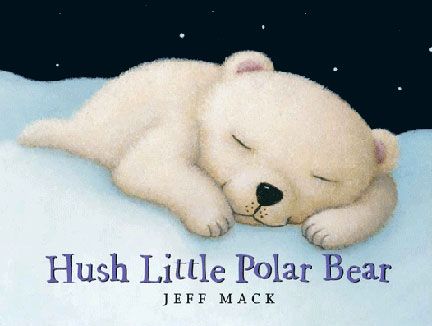
"Hush Little Polar Bear"...

"Hush Little Polar Bear" by Jeff Mack

Enjoy now this lovely animated version of the children's book...
found and shared by LeenaP who I want to thank a lot for this little treasure!


Source

Montag, 31. Oktober 2011

Hello Halloween 2011

Pirates from Knoxville love it...

Photo: Jim Schulz

And Asha, an Asian elephant at the Oklahoma City Zoo, with her 6 months old daughter Malee too...Halloween is smashing time...


Ghosts can be seen everywhere...


African lions Isis, right, and Zenda eye a rope of pumpkins in their enclosure at Brookfield Zoo...


Lion mother Binta (L) and her babies Joco and Zari inspect a jack-o-lantern filled with pieces of meat on Oct. 27, 2011 at the zoo in Hanover, central Germany.

Curious meerkats swarm around a pumpkin
as part of an enrichment program at the Brookfield
Zoo.

Here courageous meerkats mob a pumpkin spiced up with meal worms placed in their exhibit by San Diego Zoo Safari Park keepers.


A meerkat climbs out of a carved pumpkin on Oct. 27, 2011 at the zoo in Hanover...


This photo taken Thursday, Oct. 27, 2011 and provided by the Chicago Zoological Society, shows a pair of African wild dogs enjoying Halloween treats at Brookfield Zoo.


Photo: Jim Schulz

A kangaroo checks out a pumpkin - also at the Brookfield Zoo.


A red river hog sniffs a pumpkin at the San Diego Zoo Safari Park. The keepers like to keep the animals happy by putting some greens in the pumpkins.


Tony Franceschiello, the senior keeper at the San Diego Zoo Safari Park, says bat-eared foxes get pumpkins that have mice and crickets crawling throughout.


A wolf takes a look at a Halloween pumpkin, Thursday, Oct. 27, 2011, at the Woodland Park Zoo in Seattle - I wonder if there is a chicken inside...


In this case it's a Bronx Zoo snake....))

Photo: Toby Melville/Reuters

Much to my surprise, even fish celebrate Halloween...
Divers Gareth Calvert (L) and Jamie Oliver pose with pumpkins after a race to carve them underwater in the Ocean Reef Halloween display at the London Aquarium October 27, 2010.

Photo source

And what about the bigger bears?


Charly, a polar bear from SeaWorld San Diego's Wild Arctic Exhibit, plays with a carved pumpkin just in time for Halloween. However, he will not actually eat it.

This is an older Halloween pic from San Diego Zoo, I bet it was Charly again,
and that pumpkin looked quite delicious...


Photo credits: Doug Lindstrand
Posted by Jordan Carlton Schaul on facebook


So why not joining in and enjoying yourself tonight...?!


Freitag, 28. Oktober 2011

"When Wishes Come True"...Manche Wünsche werden wahr...

Children's book by Per-Henrik Gürth
Picture sources

"Kleiner Bär schließt die Augen und wünscht sich und wünscht sich, ein Astronaut zu werden z.B., oder Pirat auf einem Schiff, König in einem magischen Schloss...Doch wenn er seine Augen öffnet, sind seine Wünsche nicht wahr geworden. Er ist immer noch der kleine Bär, der in der arktischen Tundra lebt.

"Little Bear closes his eyes and wishes and wishes and wishes to become an astronaut in outer space … a pirate on a ship… a king in a magical castle! But when he opens his eyes, his wishes haven’t come true. He is still Little Bear living in the Arctic tundra.

Mutter Bär hilft ihm zu sehen, dass viele seiner Wünsche doch wahr werden, Schwimmen mit verspielten Belugas oder das Ansehen und Erleben der unglaublichen Nordlichter.

Mother Bear helps him see that many of his wishes do come true, from swimming with playful belugas to watching the dazzling northern lights.

Und zu seiner allergrößten Überraschung und Freude entdeckt Kleiner Bär, dass er selbst Mutter bärs größter Wunsch war, der wahr geworden ist...

And much to his surprise and delight, Little Bear discovers that he was Mother Bear’s wish come true..."

Here now a video found by LeenP where part of the story is read,
Tanks to LeenaP and now enjoy!

Freitag, 21. Oktober 2011

Strickzeit ....Knitting time

Photo credit: Toby Zerna/Newspix/Rex USA

Although it looks very much alike, it's not a fashion show!
Back in 2005 in Australia, tiny fairy penguins Toby and Percina modeled sweaters that were being sent for the rehabilitation of penguins involved in oil spills.
It was not for the first time that sweaters for penguins were needed, and not for the last time. Just recently lots of knitting activities were seen around the globe..

Photo credit:Getty Images file
found here

A little blue penguin from Papamoa Beach was covered in oil after a Liberian cargo ship hit a reef on Oct. 7 in Tauranga, New Zealand. According to the Associated Press, the oil spill, which began after a cargo ship containing 1,700 tonnes of heavy fuel oil and 200 tonnes of marine diesel oil ran aground on October 5, has already left 1,300 birds dead and already cost New Zealand $3.2 million for cleanup.


Adorable Penguins Need Sweaters, Too

"Awww. Apparently folks in New Zealand have been knitting sweaters for the penguins swimming in toxic waters in the wake of the Taurunga oil spill. The sweaters prevent the little guys from preening oil off their feathers (and then ingesting it, which can be fatal) until workers can clean them off. So if your knitting skills are advanced enough to bind off stitches for flipper holes, now would be the time to put them to use."(source)


Creation by lela nargi


How to knit the sweaters

Note:
It is recommended to use 100 percent wool yarn

Materials:
1 pair 3.25mm, 1 pair of 3.75mm needles 1 set of 3.25mm dpn's or circular

Method
:
1. Cast on 36 stitches using 3.25 needles.K1, P1 to end of row.

2. Repeat this row 7 times.
3. Change to 3.75mm needles and K2, P2 rib.

4. Work 4 rows increasing at each end of every row.
(44 sts) Continue until work measures 15 cms.

5. Decrease 1 st at each end of every row until 28 sts remain.
Decrease 1 st. in middle of next row (27 sts.) Leave on needle. Make second side the same.

6. Transfer the 54 sts from both pieces to 3 of the set of 4 3.25mm needles.
(18 sts on each.) and work a round neck in K1 P1 rib for 10 rows. Cast off.

7. Stitch up sides to decreasing to 27sts (opening for flipper).
8 . Add elastic to the top and bottom to prevent the penguins getting out of them.
Top: 15cm of elastic; bottom 17 cm (knots allowed). Flat elastic okay.


For more information, visit the Skeinz website.
Sweaters can be sent to:
PO Box 3123, Onekawa, Napier

found here

The sweaters serve a dual purpose of keeping the penguins warm until rescuers clean them and preventing the birds from cleaning themselves while they are coated with poisonous oil.

Auch in Schweden wird gestrickt...

Swedish grannies in bid to save freezing penguins

A gaggle of needle-wielding Swedish pensioners and other residents in the village of Österbymo have heeded a call for knitted sweaters to help keep penguins warm following a recent oil spill in New Zealand. “I bet there are about 40 people working on the sweaters,” Anna-Karin Gustafsson, one of the organizers of the initiative, told The Local.

Gustafsson is the treasurer of a Kreativitetshuset Lyan, a local community centre located in Österbymo in central Sweden which decided to take action to help New Zealand's freezing penguins.Hundreds of the country's native blue penguins found themselves caught up in an oil spill caused by the grounding of a cargo ship in early October.

When penguin feathers come in contact with oil, it opens up channels in the birds' densely packed feathers, allowing water to penetrate through to their skin, making it hard for them to keep warm.


Last week, Gustafsson and her colleagues learned of an initiative launched by a New Zealand yarn store calling on fleet-fingered knitters around the world to produce penguin-sized jumpers to help the birds stay warm until they are well enough to be properly washed and to prevent them from ingesting the oil stuck to their feathers.


“It seemed obvious that we should do a little something that could make a difference between life and death for these little penguins,” said Gustafsson, a self-proclaimed “animal nut”.
An appeal put out on Facebook earlier in the week prompted an overwhelming response from the local community and also caught the attention of the national media.

“The hardest thing was actually getting a hold of enough of the right kind of yarn,” Gustafsson explained.
By Wednesday, the community centre had distributed “tonnes” of patterns to members young and old, who, by the end of the week, were all busy knitting as fast as their fingers allowed, according to Gustafsson.

“My mother-in-law has already finished three sweaters,” she said, adding that the group has set a goal of producing 100 penguin jumpers to send to New Zealand by the end of next week.
“We'll meet again on Monday to start collecting the sweaters. I'm guessing we'll get a big box full.” Once the sweaters are collected, Gustafsson and her colleagues plan to ship them to the yarn store in New Zealand that started the campaign, which will then see to it that they end up on the backs of the oil-damaged penguins.

She said the entire project has been an uplifting experience for her.
“It's great for the penguins. And it shows that when everyone pitches in, anything is possible,” she said. When asked whether any plans are afoot for members of the Lyan community centre to travel from Sweden to New Zealand for a first hand look at the penguin sweaters in action, Gustafsson said that nothing has been organized yet. “But it's not impossible. We'll see where things go. It would be fun to see the penguins dressed up in the sweaters we made,” she said.

found here incl. some additional infos about previous knitting activities

Photo credit: Anna Zieminski / AFP - Getty Images file
Found here

In 2000, a group of penguins were rescued off the coast of South Africa after getting caught in an oil spill from a sunken carrier ship. Sweaters helped them stay warm while they recovered.


There was also a very informative comment in connection with the Swedish article sharing the experience of penguin cleaning in South Africa. Oiling is the biggest single threat also to African penguins. Oiled penguins lose the water-proofing on their feathers and swallow the oil as they try to clean themselves. Ships use seawater to clean out their tanks at sea which causes more pollution than an oil spillage. Oil spill disasters create instant crises. In 2000 the cargo ship The Treasure sank off Cape Town leaving 20,000 African penguins covered in oil.There is a South African charity called SANCCOB. Each year, 1000 oiled penguins are brought to their rehabilitation centre near Cape Town. Volunteers at SANCCOB help to de-oil, clean them, and nurse them back to health.Volunteers are taught how to catch, hold, feed and tube feed the penguins until they can be released into the wild which takes up to 6 weeks. Other daily tasks involve the preparation of fish, cleaning the pens, pools and mats, sterilizing syringes and more. "But be warned, as cute as they are, penguins will bite given the opportunity. "

After an oil spill near Philip Island in Tasmania in 2000, a penguin was clad in a knitted sweater in an attempt to prevent it from ingesting oil.
Read more about it here


And here a video


Sources:
-
Adorable penguins need sweater/ NYmag com October 2011
-
Sweaters for the penguins/ Phoenix Newtimes 20.10.2011
-
Knit a Sweater, Help a Penguin in Need/etsy com 18.10.2011 or here
-A good yarn: Knitters make sweaters for penguins after oil spill/MSN 20.10.2011
-Swedish grannies in bid to save freezing penguins/10.11.2011
-
New Zealand oil spill: grounded ship threatens environmental disaster/Guardian 09.10.2011

Related:
- Rennen gegen die Zeit. Oil spill threatens 20 000 rare Rockhopper penguins/20.03.2011

More:
- The great penguin rescue/Talk by Dyan Napoli
-
US schoolgirl helps to raise $100,000 for oil spill charities/Guardian 15.06.2010